W ramach globalnego dążenia do neutralności pod względem emisji dwutlenku węgla nowoczesne, zielone centra danych stoją przed podwójnym wyzwaniem: muszą drastycznie obniżyć zużycie energii, aby zoptymalizować efektywność wykorzystania energii (PUE), jednocześnie w pełni zabezpieczając podstawowe obciążenia IT przed przejściowymi awariami zasilania. Ponieważ serwery o dużej gęstości stają się normą, nawet niewielki spadek napięcia sieciowego lub anomalia częstotliwości mogą sparaliżować krytyczne operacje. W związku z tym kluczowym tematem przy wyborze infrastruktury jest maksymalizacja wydajności konwersji mocy przy jednoczesnym zapewnieniu braku przerw i wysokiej odporności na błędy poprzez architekturę sprzętową.
Wady energetyczne i ryzyko awarii starszych systemów rezerwowych
Chociaż tradycyjne zasilacze UPS online z podwójną konwersją izolują zakłócenia w sieci, ich długoterminowe straty mocy są znaczne. Nadmiar ciepła wytwarzany przez te urządzenia dodatkowo obciąża systemy chłodzenia serwerowni, co jest sprzeczne z celami w zakresie redukcji emisji dwutlenku węgla. Co więcej, dotychczasowa, autonomiczna infrastruktura elektroenergetyczna niesie ze sobą nieodłączne ryzyko wystąpienia pojedynczego punktu awarii; jeśli główna jednostka sterująca ulegnie awarii, całe łącze zapasowe ulegnie awarii. W warunkach wysokiej temperatury lub zapylenia, gdzie konserwacja jest trudna, a średni czas naprawy (MTTR) jest długi, nieoczekiwane zakłócenia zasilania łatwo przeradzają się w długotrwałe, katastrofalne w skutkach przerwy w dostawie prądu.
Podstawowe kryteria wyboru: parametryczne dowody potwierdzające wydajność i niezawodność
Aby spełnić rygorystyczne kryteria modernizacji ekologicznych centrów danych, inżynierowie elektrycy muszą przy wyborze zamówień skupić się na następujących kluczowych wskaźnikach, które równoważą wysoką efektywność energetyczną z solidnym bezpieczeństwem fizycznym:
· Sprawność AC-AC na poziomie 96% minimalizuje długoterminowe koszty operacyjne: Integrując technologię Enhanced Cycle Inverter (ECI), system zapewnia wydajność AC-AC przekraczającą 96% w trybie EPC. To drastycznie eliminuje bezpośrednie straty mocy i minimalizuje samonagrzewanie, zasadniczo zmniejszając naprężenia termiczne w serwerowniach o dużej gęstości.
· Czas transferu wynoszący 0 sekund zapobiega nieplanowanym przestojom: Podczas przejść między siecią pierwotną (wejście AC) a baterią rezerwową (wejście DC), gdy wystąpią przejściowe awarie sieci, zarówno maksymalna przerwa w napięciu, jak i całkowity czas trwania stanu przejściowego wynoszą ściśle 0 sekund. Ta czysta fala sinusoidalna i wydajność bez przerw gwarantuje, że precyzyjne obciążenia IT pozostaną bezproblemowo online.
· Wytrzymałość dielektryczna 4300 V DC zabezpiecza granice elektryczne: Aby chronić sprzęt IT przed przepięciami wysokiego napięcia powodowanymi przez uderzenia pioruna lub skoki szyny prądu stałego, system inwertera zapewnia wytrzymałość dielektryczną (DC/AC) do 4300 V DC, zapewniając wysoki standard izolacji fizycznej.
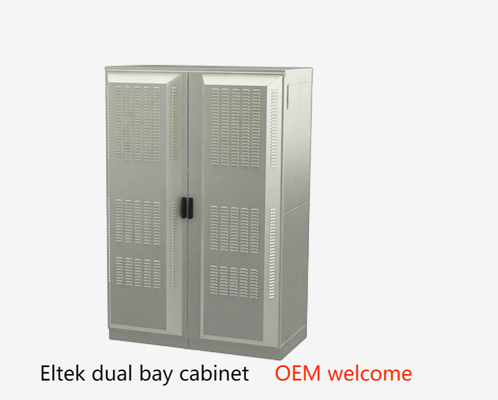
· MTBF na poziomie 240 000 godzin potwierdza długoterminową stabilność: Wykorzystując odporną na korozję obudowę ze stali Alucynk, system osiąga średni czas między awariami (MTBF) wynoszący 240 000 godzin zgodnie z normą MIL-217-F (mierzoną w temperaturze otoczenia 30°C i obciążeniu 80%), zmniejszając koszty ogólne konserwacji i serwisu w całym cyklu życia.
Spostrzeżenia branżowe: Architektury z możliwością wymiany podczas pracy są niezbędne w przypadku obiektów ekologicznych
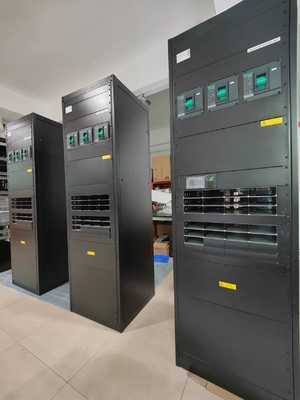
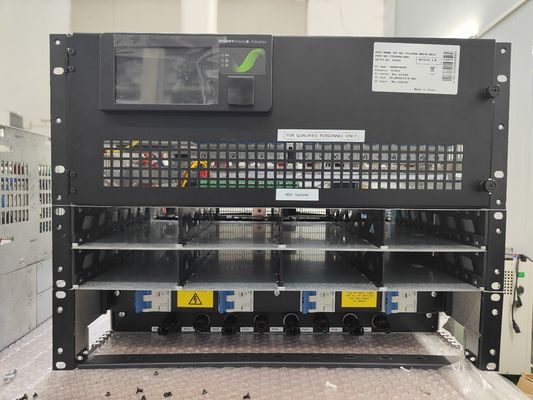
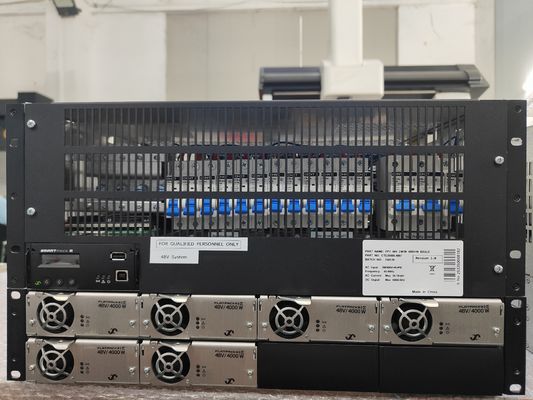
W nowoczesnych, ekologicznych ramach projektowania centrów danych skalowalność i łatwość konserwacji są tak samo ważne, jak efektywność energetyczna. Modułowy system inwerterowy z architekturą w pełni wymienialną podczas pracy obsługuje równoległe połączenie do 32 modułów, umożliwiając technikom terenowym dokonywanie wymiany na żywo lub rozszerzania skalowalności bez utraty krytycznych obciążeń prądu przemiennego. Ta konstrukcja z zerowym pojedynczym punktem awarii, w połączeniu z niską mocą cieplną i wysoką wytrzymałością dielektryczną, skraca MTTR do minut i uwalnia centra danych od konieczności reaktywnego rozwiązywania problemów. Ta modułowa konfiguracja, poparta solidnymi dowodami parametrycznymi, wyznacza jasną ścieżkę dla ekologicznych modernizacji centrów danych na całym świecie.


 Twoja wiadomość musi mieć od 20 do 3000 znaków!