H2: Przeszłość sprawy i ograniczenia lokalizacji
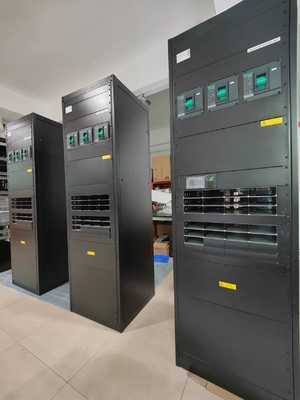
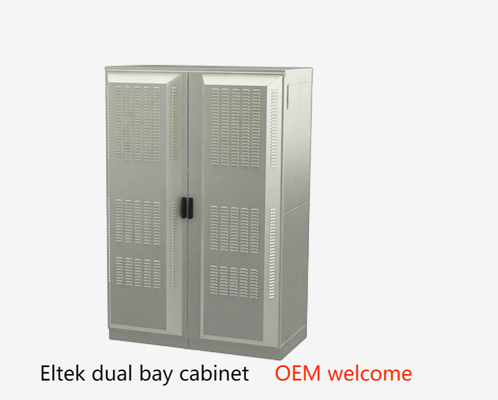
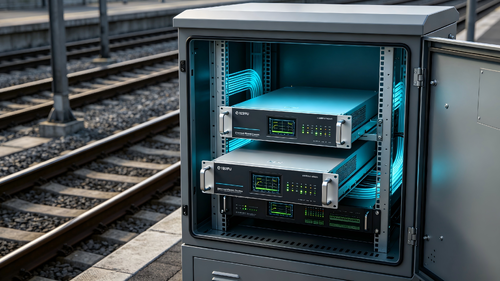
W zakresie sygnalizacji tranzytu kolejowego, komunikacji pomiędzy osami i infrastruktury monitorowania przy torach nieprzerwane zasilanie prądem przemiennym o wysokiej niezawodności stanowi kluczową podstawę bezpieczeństwa eksploatacji.Badanie tego przypadku zostało przeprowadzone na zewnętrznym węzle szaf wzdłuż linii transportu publicznego w Ameryce PołudniowejŚrodowisko na miejscu stanowiło poważne wyzwania inżynieryjne: wewnętrzny układ szafki był bardzo ograniczony (deficyt przestrzeni), a ze względu na słabą wentylację przy torachletnie temperatury wnętrza pomieszczenia często wzrastające do poziomu bliskiego 60°C (obciążenie termiczne i słaba rozpraszanie)Wcześniejsze monolityczne systemy UPS były niezgodne ze sobą ze względu na ich dużą ilość paliw i wysoki wskaźnik awarii w podwyższonym temperaturze.brak spełnienia parametrycznych kryteriów branżowych w zakresie redundancji i długoterminowej aktywności.
H2: Analiza punktów bólu klienta
- Dalsze ograniczenia przestrzenne: Wewnętrzne układy zewnętrznych szaf sygnalizacyjnych były już w dużej mierze zintegrowane, pozostawiając zerowy margines dla dawnych wież lub dużych urządzeń zasilania montowanych na regałach.
- Nieprawidłowości w zarządzaniu cieplnym: Słabo wentylowane obudowy przy torach narażały konwencjonalne falowniki na nadmierne obniżenie temperatury, co groziło nagłymi awariami zasilania węzłów sygnalizacyjnych.
- Trudna logistyka utrzymania: Stacje przy torach są rozproszone geograficznie. Wszelkie przebicia sprzętu spowodowane środowiskiem doprowadziłyby do wydłużenia średniego czasu naprawy (MTTR), bezpośrednio zagrażając bezpieczeństwu harmonogramów pociągów.
H2: Parametryczne rozwiązanie techniczne oparte na Bravo 25
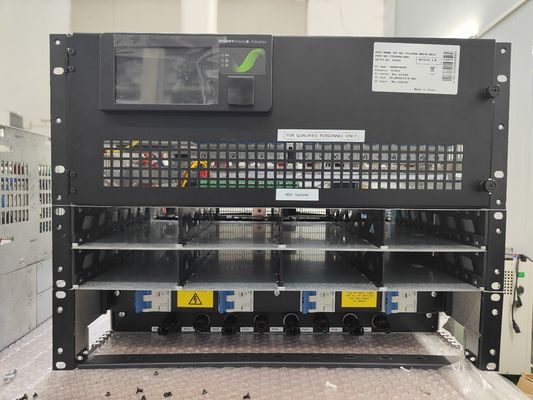
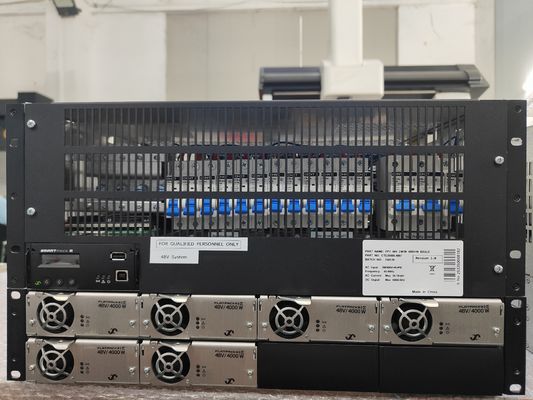
Aby przeciwdziałać tym przeszkodom, zespół inżynierów ominął konwencjonalne topologie zasilania, wdrażając modułowy system falownika skonfigurowany zBravo 25 - 48/230-277W oparciu o rygorystyczne specyfikacje techniczne, wdrożenie na miejscu zapewniło ostateczną stabilność inżynieryjną:
- 2RU Kompaktny układ strukturalnyWykorzystując standardowy 19-calowy model, każdy moduł falownika waży zaledwie 4,3 kg.2RUSystem włączył się bezproblemowo do zamkniętych szaf sygnalizacyjnych, całkowicie rozwiązując deficyt przestrzeni.
- 96% wysoka wydajność zmniejsza napięcie cieplne: Wykorzystując technologię ECI (Enhanced Cycle Inverter), system osiąga wydajność konwersji AC-AC przekraczającą(96%)w trybie EPC, co minimalizowało bezpośrednie straty energii i samoogrzewanie, zasadniczo ograniczając akumulację ciepła w słabo wentylowanych pomieszczeniach.
- 4300 Vdc Liczyciele wytrzymałości dielektrycznej: Linie połączeń masową przewożących często przechodzą przez wysokonapięciowe przepływy.4300 Vdc, wprowadzając wysokiej jakości fizyczną barierę izolacyjną, która izoluje krytyczne obciążenia sygnalizacyjne przed awariami zasilania nad napięciem.
- 0-sekundowy czas transferu minimalizuje anomalie systemu: podczas dynamicznych transferów między siecią podstawową a bankami akumulatorowymi 48 Vdc,zarówno maksymalne przerwanie napięcia, jak i całkowite przejściowe czas trwania są ściśle 0 sekundTa czysta fala sinus, możliwość zerowej przerwy gwarantuje zero upadków danych podczas awarii.
- Obudowa Aluzinc i 240.000-godzinny MTBF: Obudowa podwozia jest wytłoczona z materiału odpornego na korozjęStalo alucynowe, zgodny z normami GR3108 klasy 2 dla pomieszczeń zewnętrznych.Pomierzony za pomocą MIL-217-F w temperaturze otoczenia 30°C i obciążeniu 80% system osiągaMTBF 240 000 godzin, zapewniając długotrwałą stabilność fizyko-chemiczną w szerokim zakresie temperatury (od -20°C do 65°C).
H3: Podsumowanie specyfikacji operacyjnych i technicznych
+----------------------------------------------------------------------------------------------------------------------------------------------------------------------------------------------------------------------------------------------------------------------------------------------------------------------------------------------------------------------------------------------------------------------------------------------------------------------------------------------------------------------------------------------------------------------------------------------------------------------------------------------------------------------------------------------------------------------------------------------------------------------------------------------------------------------------------------------------------------------------------------------------------------------------------------------------------------------------------------------------------------------------------------------------------------------------------------------------------------------------------------------------------------------------------------------------------------------------------------------------------------------------------------------------------------------------------------------------------------------------------------------------------------------------------------------------------------------------------------------------------------------------------------------------------------------------------------------------------------------------------------------------------------------------------------------------------------------------------------------------------------------------------------------------------------------------------------------------------------------------------------------------------------------------------------------------------------------------------------------------------------------------------------------------------------------------------------------------------------

/Metryka operacyjna /Wartość parametryczna
+----------------------------------------------------------------------------------------------------------------------------------------------------------------------------------------------------------------------------------------------------------------------------------------------------------------------------------------------------------------------------------------------------------------------------------------------------------------------------------------------------------------------------------------------------------------------------------------------------------------------------------------------------------------------------------------------------------------------------------------------------------------------------------------------------------------------------------------------------------------------------------------------------------------------------------------------------------------------------------------------------------------------------------------------------------------------------------------------------------------------------------------------------------------------------------------------------------------------------------------------------------------------------------------------------------------------------------------------------------------------------------------------------------------------------------------------------------------------------------------------------------------------------------------------------------------------------------------------------------------------------------------------------------------------------------------------------------------------------------------------------------------------------------------------------------------------------------------------------------------------------------------------------------------------------------------------------------------------------------------------------------------------------------------------------------------------------------------------------------------

Fizyczny Odcisk. Standardowy stojak 19 cali / Wysokość 2RU.
Skuteczność AC-AC (tryb EPC) > 96%
Moc dielektryczna (DC/AC) 4300 Vdc
Przerwanie napięcia / przeniesienie. 0 sekund.
/Standardowy materiał podwozia. /Stopa stali aluzinkowej /zgodna z RoHS.
Różnica temperatury operacyjnej od -20 do 65 stopni Celsjusza.
+----------------------------------------------------------------------------------------------------------------------------------------------------------------------------------------------------------------------------------------------------------------------------------------------------------------------------------------------------------------------------------------------------------------------------------------------------------------------------------------------------------------------------------------------------------------------------------------------------------------------------------------------------------------------------------------------------------------------------------------------------------------------------------------------------------------------------------------------------------------------------------------------------------------------------------------------------------------------------------------------------------------------------------------------------------------------------------------------------------------------------------------------------------------------------------------------------------------------------------------------------------------------------------------------------------------------------------------------------------------------------------------------------------------------------------------------------------------------------------------------------------------------------------------------------------------------------------------------------------------------------------------------------------------------------------------------------------------------------------------------------------------------------------------------------------------------------------------------------------------------------------------------------------------------------------------------------------------------------------------------------------------------------------------------------------------------------------------------------------------
H2: Wgląd i wnioski operacyjne
Wdrożenie to pokazuje, że na dużych trasach przemysłowych B2B, takich jak transport kolejowy, gdzie przestrzeń, wentylacja i izolacja elektryczna są niekompromisowe,wdrożenie technologii modularnych falowników o wysokiej sprawności konwersji (> 96%) i solidnych barierach dielektrycznych (4300 Vdc) neutralizuje ryzyko degradacji środowiskaGłówna architektura obsługuje równoległe konfiguracje do 32 modułów, co pozwala technikom na wymianę komponentów na żywo za pośrednictwem wymiany na gorąco bez obniżania krytycznego obciążenia AC.Zmniejsza to MTTR do minut, z powodzeniem przekształcając tradycyjną konserwację reaktywną w proaktywną obronę opartą na danych.


 Twoja wiadomość musi mieć od 20 do 3000 znaków!